
A central idea in shadow work therapy is that we come into the world as whole beings, with all the emotional resources we need, but without experience. As we adapt to our environment, we learn which parts of ourselves are welcomed and which are not.
The poet Robert Bly describes this process beautifully in A Little Book on the Human Shadow. He uses the image of a “shadow bag” to explain how we repress parts of ourselves that are not valued or accepted. Imagine carrying an invisible bag over your shoulder. As you grow up, you place into this bag qualities that cause discomfort or disapproval, anger, vulnerability, jealousy, sadness, joy, creativity, playfulness, even love. Over time, the bag becomes heavier. Although we are often unaware of what we have put into it, we may sense that something is missing, or that we are not fully ourselves.
Because the shadow is held in the unconscious, we are not directly aware of its contents — but its influence on our lives and relationships can be profound. Shadow work is the process of bringing these hidden parts into awareness and gently reintegrating them into conscious life.

Shadows can form as the result of a single painful or shocking experience, or through a gradual accumulation of subtle messages over time.
For example:
- If we were discouraged from expressing anger, we may suppress it and grow up believing we are “not an angry person”.
- If we were repeatedly told to be quiet, we may hide our ability to express our needs and grow up believing we cannot communicate clearly.
- If we expressed creativity and were criticised or dismissed, we may internalise the belief that we are not creative or good enough.

Why Work With the Shadow?
Working with the shadow allows us to bring unconscious material into awareness. By meeting these parts of ourselves with curiosity and compassion, we can begin to understand ourselves more fully and respond to life with greater choice.

Working With the Shadow
Shadow work is a gentle but powerful process. Whether working online or in person with a shadow work practitioner, the aim is not to fix or get rid of parts of yourself, but to understand and integrate them — so you can live with greater authenticity, freedom, and self-compassion.
In Shadow Work, we use four archetypes as a way of understanding the different parts of our inner world. An archetype is a pattern of thinking, feeling, and behaving that exists in all human beings. You can think of archetypes as inner roles or energies that shape how we experience ourselves and how we move through life.
The psychologist Carl Jung described archetypes as universal human patterns arising from the collective unconscious. A simple modern way to view them is as our psychological operating system — capacities we are born with, which then develop according to our upbringing, relationships, and life experience. In Healing the Shadow we work with four core archetypes:
- The Action Taker
- The Feeling Body
- The Transformer
- The Heart Centred Leader
Each archetype carries its own qualities, motivations, and emotional energy. When these archetypes are balanced, we can draw on all our inner resources and respond to life with flexibility and authenticity. When one becomes wounded, over-dominant, or hidden in shadow, we can experience emotional struggle, relationship difficulties, or a sense of being stuck. Shadow work helps bring these archetypal energies back into balance.
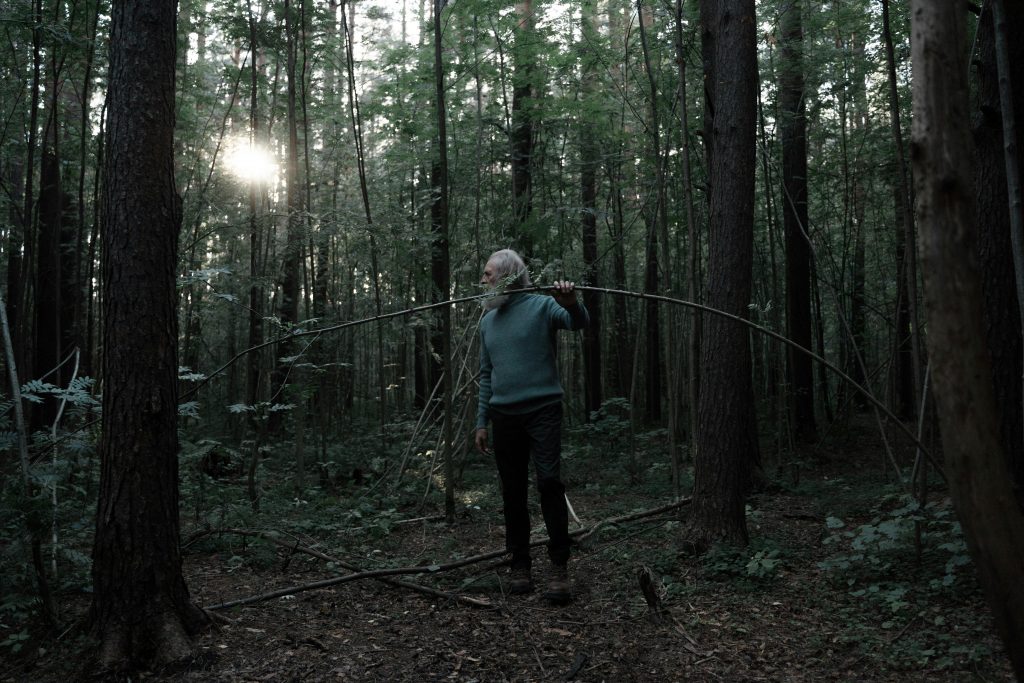


The Action Taker – Power, boundaries, and agency.
The Action Taker is the part of us that takes purposeful action in the world. It helps us set boundaries, stand up for ourselves, protect what matters, and follow through on commitments. This archetype gives us our sense of personal power and agency. The key emotion that opens access to the Action Taker is anger. Clean, conscious anger tells us when something is not OK — when a boundary has been crossed or our needs are not being met. When anger is pushed into shadow, we may struggle to assert ourselves, avoid conflict, or suddenly erupt in ways that feel out of control.
If the Action Taker is wounded, we may inflate into controlling, combative, or rigid behaviour. Or we may deflate into powerlessness, people-pleasing, and difficulty saying no. Healing this archetype restores our ability to act clearly, protect ourselves, and take our rightful place in the world.
The Feeling Body – Connection, vulnerability, and emotional presence
The Feeling Body is the part of us that connects — to our emotions, our physical body, other people, and life itself. It carries our capacity for intimacy, empathy, sensuality, and emotional openness. It is also where our Inner Child lives, and where past emotional experiences are held in the body. The key emotion for this archetype is grief. When we allow ourselves to feel grief, we touch vulnerability and recognise our need for connection. A healthy Feeling Body allows us to be present with ourselves and others, without needing to fix or control anything. When wounded, this archetype may inflate into emotional drama, intense neediness, or compulsive searching for connection. Or it may deflate into numbness, withdrawal, and fear of closeness. Healing the Feeling Body restores our ability to trust, receive love, and feel safely connected in relationship.
The Transformer – Perspective, insight, and change
The Transformer is the part of us that can step back and see clearly. It brings perspective, insight, and the ability to reframe situations so that new possibilities emerge. This archetype supports deep inner change and personal transformation. In childhood, part of this archetype becomes what we call the Safety Officer — constantly scanning for danger and developing strategies to survive. Many of these strategies remain active in adult life long after the original threat has passed.
The key emotion of the Transformer is fear. When we can feel fear without being overwhelmed by it, we gain access to clarity and new understanding. When wounded, the Transformer may inflate into hyper-vigilance, harsh self-criticism, perfectionism, or projecting perceived “badness” onto others. Or it may deflate into confusion, dissociation, or shutting down awareness altogether. Healing this archetype helps us see ourselves more truthfully and release survival beliefs that no longer serve us.
The Heart Centred Leader – Love, meaning, and self-worth
The Heart Centred Leader is the part of us that cares for ourselves and others with warmth and compassion. It holds vision for our life, guides our direction, and reminds us that we are worthy of love simply as we are. This archetype connects us to meaning, purpose, and joy. The key emotion here is joy — the quiet inner warmth that comes from self-acceptance and self-worth. When wounded, the Heart Centred Leader may inflate into relentless striving, over-giving, or proving our worth through achievement. Or it may deflate into hopelessness, self-doubt, and lack of motivation. Healing this archetype allows us to lead our lives from kindness rather than self- judgement.
Bringing the Archetypes into Balance
All four archetypes live within each of us. None is better or more important than another. Each plays a vital role in a healthy inner life. Difficulties arise when one archetype dominates, collapses, or is pushed into shadow. Shadow work helps us:
- Recognise which archetypal energies are wounded or hidden
- Understand the survival strategies behind them
- Reclaim lost or suppressed qualities
- Restore balance across our inner world
As these parts are brought into awareness and integrated, we experience greater freedom, emotional resilience, and a deeper sense of being fully ourselves.
The Shadow forms throughout our development, from birth to adulthood, in response to our familial, societal, and cultural environments. For instance, a boy might learn from his father that showing emotions is a sign of weakness. He may unconsciously suppress his ability to cry and be emotional, storing these behaviours in his Shadow. While this might earn his father’s approval as a child, it can lead to challenges in expressing emotions and forming deep connections later in life. This is just one example, but in reality, our Shadow can contain a limitless range of suppressed traits and behaviours.
Although we are unaware of our Shadow’s contents, they shape how we present ourselves to the world and interact with it. If there are emotional or behavioural aspects of ourselves that we would like to change, they might be rooted in our shadow. These hidden influences can affect every area of our lives, from our relationships to our careers.
Working with the Shadow involves bringing these unconscious elements to light. By becoming aware of our shadow beliefs and behaviours, we can start to change them, and this in turn helps us to change how we show up in the world. This process can lead to quick and meaningful improvements in various aspects of our lives, fostering personal growth and better emotional well-being.
Marianne Hill and Rod Boothroyd started the Healing The Shadow organisation in 2019. Drawing on Marianne’s experience practicing couples counselling, shiatsu and shadow work and Rods experience of archetypal theory and transactional analysis they developed the Healing the Shadow modality which draws on all these elements. It is relational, embodied and transformational work, we refer to it as deep process psychotherapy.
A Healing the Shadow session typically lasts between 2 to 5 hours, allowing for a deep and thorough exploration of your issues. Each session begins with an in-depth discussion about the problem you’re facing and what you hope to achieve. Once we’ve established your goals, we’ll explore different parts of yourself using colored cloths or props on a carpet, creating a visual representation of your inner psychological world.
This approach helps us understand the dynamics at play and offers a chance to work directly with these parts to bring about healing and change. All the work is client-focused and client-led, as we believe every individual has the capacity, intelligence, and resources to solve their issues. My role as a facilitator is to guide you through this exploration and help you uncover the insights and strengths that lead to personal growth.